Introduction
Hey there fellow Trekkers! Are you planning a trek in the mesmerizing Langtang region? You're in for an incredible journey! But before you lace up your boots and hit the trails, let's talk about safety. Trekking in Langtang is an amazing journey, but it's very crucial to prioritize your well-being. So, here's your guide to the essential dos and don'ts for a memorable and secure trekking experience in Langtang.
Nestled in the heart of the Himalayas, the Langtang region of Nepal offers trekkers a breathtaking blend of natural beauty and rich cultural experiences. Langtang boasts rugged terrains, lush forests, and awe-inspiring glaciers. Its diverse landscape includes steep valleys, alpine meadows, and soaring peaks, with Langtang Lirung standing tall at 7,227 meters.
The Langtang Valley trek, Tamang Heritage Trail, and Gosainkunda trek are among the most sought-after routes. These trekking routes offer their own unique cultural and natural experiences.
As you get on this adventure, it's crucial to prioritize safety to ensure a memorable and incident-free journey. In this guide, we have outlined the essential dos and don'ts for a safe trekking experience in Langtang.
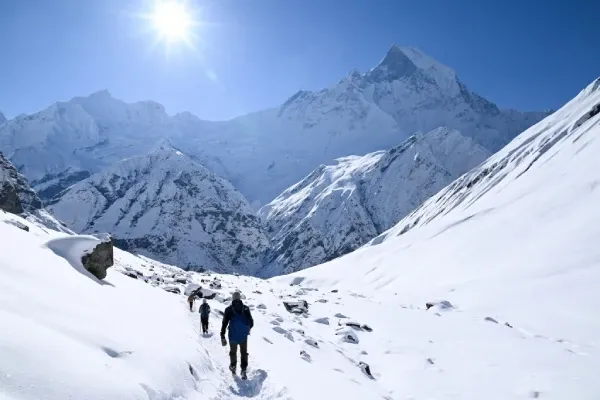
PHOTO.
Beautiful Langtang captured during the trek
Understanding the Terrain
Before heading on a Langtang trek it is important to understand the structure of the region. Langtang is a diverse landscape, a blend of lush forests and rugged mountains. Before you head out, you must be familiar with the land topography and the terrain.
Do: Dive into Research
Alright, let's start with the basics. Get your hands on detailed topographical maps of the Langtang region and extract online resources. The more you know about the terrain, the better prepared you'll be to tackle any surprises during the trek.
Don't: Underestimate the Altitude
Heads up! Langtang isn't just a beautiful landscape trekking, it's high up there and altitude sickness is a real thing. So, you need to take it slow. Give your body the time it needs to adjust to the thin air. Make sure you don’t over-push yourselves.
Essential Gear and Supplies
Packing for your next trekking destination is one of the most essential things you need to do it right. A perfect bag pack can enhance your trekking experience more than you have ever expected. You don’t want to stuff your bag with unnecessary things which will only make your bag heavy and can ruin your trekking experience. To make sure you're ready for anything, check our detailed packing list for trekking in Nepal.
Do: Be a Smart Packer
When it comes to packing, think light but smart. Opt for lightweight, moisture-wicking clothes, and make sure those boots are like a second skin. Toss in a first aid kit, a water purifier, and some extra batteries for good measure.
Don't: Forget Your Weather Gear
Langtang's weather can be a bit of a drama queen. Pack layers to handle temperature swings and always, always have rain gear on standby.
Guided vs. Independent Trekking for Langtang Trek
To go guided or not, that is the question. Let's weigh the options.
Do: Consider a Local Guide
Picture this: a local guide who knows the terrain like the back of their hand. They're like a walking, talking Langtang encyclopedia. Plus, they'll connect you with the local culture in ways you never thought possible. They know the alternative routes and you get a chance to better connect with the locals.
Don't: Solo trekking? Proceed with Caution
If you're going to it alone, take a moment. Are you absolutely sure? Brush up on your terrain knowledge and pack communication devices. And hey, always let someone know your plan.
Hydration and Nutrition
Time to talk about fueling for your adventure. Drinking water is the key to a successful trek, your body's going to need it, most people suffer from dehydration during the trek because your body is draining more energy than usual, and people won’t notice that. We highly recommend drinking 3-4 liters of water per day.
Do: Drink Plenty Of Water
Water, water, water. Carry a trusty water bottle and sip away. Langtang's water sources are generally safe, but a purifier is your best friend if you're iffy.
Don't: Wing It with Snacks
While those teahouses and local eateries are charming, make sure you've got some high-energy snacks in your bag. They're your secret weapon for those long stretches between settlements.
Choosing a Reliable Trekking Agency
Do: Researching and Select a Reputable Agency
You need to select a local travel company with a proven track record of safe and responsible trekking practices. Make sure you read reviews, seek recommendations, and ask for references. Genuine reviews offer valuable insights into the agency's service quality, safety measures, and customer satisfaction.
Don’t: Book a trek without doing some research
While selecting a travel company, we recommend you book a trek with a registered travel agency in Nepal rather than an international company, as it is easier to customize the trek according to your preference and is comparatively a lot cheaper.
Acclimatization and Altitude Sickness
Do: Acclimatize properly and have proper rest.
Familiarize yourself with the symptoms and know when to descend. Gradual ascent, rest days, and hydration are key strategies for acclimatization. Headaches, nausea, and dizziness are common symptoms of altitude sickness. If symptoms persist, descend to lower altitudes immediately.
Don’t: Push your limits
Sometimes people rush to reach their desired destinations even though their body is resisting it. Having strong willpower is good but you need to know when to stop and listen to your trek guides.
Taking Photographs
Clicking pictures is one of the main things you should be doing during your trek. Pictures help you to recall positive memories of your trip to Nepal. We highly advise you to carry a good camera before heading on a Langtang Trek, However, there are some conditions for clicking pictures in Nepal that you need to be aware of.
Do: Ask for Permission
You'll see different types of people belonging to various cultures and sometimes you may want to take their picture, before you aim the camera, ask the locals for their consent. It's a simple gesture of respect that goes a long way. Also, in some restricted areas look out for the no photography sign.
Don't: Disturb the Moment
Capture the moment, but don't let your lens intrude on the beauty of the experience. Be mindful of the environment and the people around you. Take a moment to see the beauty of the Himalayas with your naked eyes.
Respect for Local Culture and Environment
Langtang isn't just about mountains and trees. It's home to vibrant communities with their own unique culture.
Do: Show Some Respect
Be the kind of traveler that locals love. Ask before you snap that photo, support local businesses, and learn a bit of Nepali such as (Namaste- Hello), (Dhanyabad- Thankyou), etc. it goes a long way.
Don't: Leave a Trace
Here's the deal: we're all guests in Langtang. So, let's clean up after ourselves. Follow the 'Leave No Trace' rule. Keep it pristine.
Some Dos and Don’ts while trekking in Nepal.
Here a chart showing some of the things to do and not to do while trekking to any routes in Nepal:
| Dos |
Don'ts |
| Obtain necessary permits and TIMS card |
Trek alone, especially in remote areas |
| Hire a licensed guide and porter |
Ignore the advice of your guide/porter |
| Acquire proper travel insurance |
Engage in altitude-related activities too quickly |
| Pack appropriate clothing and gear |
Leave trash or litter on the trail |
| Carry a basic first-aid kit by yourselves |
Disturb or harm wildlife or vegetation |
| Drink plenty of water to stay hydrated |
Use single-use plastics |
| Follow established trekking routes |
Stray off designated trekking paths |
| Respect local customs and traditions |
Disrespect local customs or beliefs |
| Use eco-friendly toiletries and soaps |
Camp or light fires in restricted areas |
| Support local businesses and teahouses |
Engage in cultural insensitivity |
| Be mindful of your impact on the environment |
Purchase items made from endangered species |
| Acclimate properly to higher altitudes |
Ignore signs of altitude sickness |
| Leave no trace - pack out what you bring |
Engage in aggressive or harmful behavior |
| Stay in designated accommodations |
Ignore weather and safety warnings |
| Be prepared for variable weather conditions |
Overconsume limited resources like water |
| Learn basic Nepali phrases for communication |
Engage in political or religious debates |
| Be friendly and respectful to locals |
Give money or gifts to begging children |
| Practice responsible wildlife viewing |
Swim or bathe in rivers or lakes |
| Carry a map, compass, or GPS device |
Ignore advice on wildlife safety |
| Stay on established trails and paths |
Engage in illegal activities |
| Keep your Passports and important items safe. |
Loose control over yourselves |
In Sum Up
So, there you have it, your ultimate guide to trekking safely in Langtang. It's going to be a journey you'll remember forever. Just remember, respect the land, respect the people, and most importantly, respect yourself. !!Happy trekking!!
FAQs
Is altitude sickness common in Langtang?
Although it’s not as prominent as other high-altitude treks, still it can happen, especially at higher altitudes of the Langtang. Take it slow, acclimatize, and you'll be good to go.
What about medical facilities along the route?
Some villages have basic medical help but pack a solid first aid kit just in case.
How do I hire a local guide for the trek?
Reach out to reputable trekking agencies or connect with guides in Kathmandu or in the Langtang region.
When's the best time for Langtang trekking?
Spring (March to May) and autumn (September to November) are your golden windows. The weather's stable and the views are mind-blowing.
What permits do I need for trekking in Langtang?
You'll need a TIMS (Trekkers' Information Management System) card and a Langtang National Park permit.